Friday, August 23, 2024

Papaya, a tropical fruit often praised for its bright color and sweet taste,

      (( is also a storehouse of nutrients that offer ))

numerous health benefits. Whether eaten ripe, in salads, smoothies or raw, papaya has long been used in traditional medicine. Here is a detailed look at some of the major health benefits of including papaya in your diet. # 1. **Rich in Nutrients** Papaya is a nutrient-rich fruit, packed in with essential vitamins and minerals. It is an excellent source of vitamin C, providing more than 200% of the daily requirement in just one small fruit. Additionally, papaya is rich in vitamin A, vitamin E, folate and dietary fiber. These nutrients are important for maintaining overall health, supporting the immune system and promoting skin and eye health. # 2. **Boosts Immunity** The high concentration of vitamin C in papaya plays a vital role in strengthening the immune system. Vitamin C is known for its antioxidant properties, which help protect the body from infections by neutralizing harmful free radicals. Regular consumption of papaya can help reduce the risk of chronic diseases and improve the body's ability to fight diseases. # 3. **Aids digestion* Papaya contains a unique enzyme called papain, which aids in the digestion of proteins. This enzyme breaks down tough protein fibers, making papaya a great remedy for people with digestive problems. Papain also helps reduce bloating and indigestion. The high fiber content in the fruit supports digestive health by promoting regular bowel movements and preventing constipation.

                      (( 4. **Anti-inflammatory properties** ))

Papaya has strong anti-inflammatory effects, mainly due to the presence of the enzymes papain and chymopapain. These enzymes, combined with the fruit’s high levels of vitamin C and beta-carotene, help reduce inflammation in the body. This makes papaya beneficial for individuals suffering from inflammatory conditions such as arthritis, asthma, and joint pain. # 5. **Promotes Heart Health** Eating papaya regularly can promote heart health in several ways. This fruit is rich in antioxidants, fiber, and potassium, all of which are essential for maintaining heart health. Potassium helps regulate blood pressure by in counteracting the effects of sodium in the body. Additionally, the fiber in papaya helps lower cholesterol levels, further reducing the risk of heart disease. # 6. **Supports Skin Health** Papaya is a popular ingredient in many skincare products due to its skin-whitening properties. The vitamin C and lycopene in papaya help protect the skin from free radical damage, which can lead to wrinkles and other signs of aging. Applying papaya pulp directly to the skin can also reduce acne, dark spots, and other skin blemishes. The enzymes in papaya help remove dead skin cells, leaving the skin looking brighter and more youthful. # 7. **May Help Prevent Cancer** Papaya contains powerful antioxidants such as lycopene, beta-carotene, and flavonoids, which are known to help reduce the risk of certain types of cancer. These antioxidants protect the body's cells from oxidative stress and reduce inflammation, both of which are factors in cancer development. Some studies suggest that eating papaya may specifically reduce the risk of breast and colon cancer.

                                (( 8. **Improves Eye Health** ))

Papaya is a rich source of vitamin A and beta-carotene, which are important nutrients for maintaining healthy vision. Vitamin A helps protect the cornea, while beta-carotene is converted in the body to vitamin A, which aids in the prevention of age-related macular degeneration (AMD) and cataracts. Regular consumption of papaya can help maintain good vision and prevent eye diseases as you age. # 9. **Helps in Weight Loss** For people looking to lose weight, papaya can be a valuable addition to their diet. This fruit is low in calories in but high in dietary fiber, which makes you feel full for longer and reduces overall calorie intake. The fiber in papaya also supports healthy digestion, which is important for weight management.  10. **Supports Kidney Health** Papaya helps maintain kidney health, especially due to its high potassium content. Potassium helps reduce the risk of kidney stones by preventing calcium from accumulating in the kidneys. Additionally, the antioxidants in papaya help reduce the risk of kidney damage by neutralizing harmful free radicals. (( 11. **Reduces Menstrual Pain** )) Women suffering from menstrual pain may find relief by eating papaya. The enzyme papain helps regulate and ease menstrual flow by aiding in breaking down the uterine lining. Additionally, the anti-inflammatory properties of papaya may reduce pain and discomfort associated with menstruation.


visit my another website -->>>   Enjoy Gurugram with High Profile 

**Health Benefits of Sweet Potato**

        (( Sweet potatoes, often celebrated for ))

their bright orange color and delightful sweetness, are not just a tasty addition to your plate. They are packed with nutrients, rich in vitamins, minerals, and antioxidants that provide a variety of health benefits. Adding sweet potatoes to your diet can be a simple and delicious way to boost your overall health. # 1. **Rich in Nutrients** Sweet potatoes are a rich source of vitamins and minerals, especially vitamin A in the form of beta-carotene. One medium-sized sweet potato can provide over 400% of the recommended daily intake of vitamin A, which is essential for maintaining good vision, a healthy immune system, and proper organ function. Additionally, sweet potatoes are a good source of vitamin C, manganese, copper, and pantothenic acid. # 2. **Rich in Antioxidants** The bright orange color of sweet potatoes comes from beta-carotene, a powerful antioxidant. Antioxidants help protect your body from oxidative stress caused by free radicals, which are unstable molecules that can damage cells and contribute to chronic diseases like cancer, heart disease, and aging. The antioxidant properties of sweet potatoes may help reduce inflammation, support brain health, and improve overall immune function. # 3. **Supports Digestive Health** Sweet potatoes are an excellent source of dietary fiber, which is essential for maintaining a healthy digestive system. A medium-sized sweet potato contains about 4 grams of fiber, which helps promote regular bowel movements and prevent constipation. The fiber in sweet potatoes also acts as a prebiotic, feeding the beneficial bacteria in your gut and supporting a healthy gut microbiome. A healthy gut is linked to better digestion, improved immune function, and better overall health.

            (( 4. **Controls blood sugar levels** ))

Despite their sweetness, sweet potatoes have a relatively low glycemic index (GI), which means they have a gradual effect on blood sugar levels compared to higher-GI foods. This makes them an excellent choice for people with in diabetes or those looking to manage their blood sugar levels. The fiber content in sweet potatoes also slows down the digestion and absorption of sugars, helping to keep blood sugar levels stable. # 5. **Boosts the immune system** The high amount of vitamin A in sweet potatoes plays an important role in supporting the immune system. Vitamin A is essential for the production and function of white blood cells, which help fight infection and disease. Additionally, the vitamin C content in sweet potatoes helps boost the immune system by stimulating the production of white blood cells and acting as an antioxidant to protect immune cells from damage. # 6. **Promotes Eye Health** Vitamin A, derived from the beta-carotene in sweet potatoes, is essential for maintaining good vision and eye health. A deficiency in vitamin A can lead to a condition called xerophthalmia, which can cause night blindness and other eye problems. Regular consumption of sweet potatoes can help prevent vitamin A deficiency and promote overall eye health, reducing the risk of cataracts and age-related macular degeneration. ### 7. **Supports Healthy Skin** The vitamin A in sweet potatoes also contributes to healthy skin. It plays a role in the production of new skin cells, helps maintain skin elasticity, and aids in wound healing. Vitamin C, another nutrient found in sweet potatoes, is essential for collagen production, which keeps your skin firm and youthful. Additionally, the antioxidants in sweet potatoes help protect the skin from damage caused by UV rays and environmental pollutants.

                                    (( 8. **Boosts brain function** ))

The antioxidant and anti-inflammatory compounds in sweet potatoes may support brain health and improve cognitive function. Oxidative stress and inflammation are associated with cognitive decline and neurodegenerative diseases like Alzheimer’s. Anthocyanins, found in purple sweet potatoes in particular, have been shown to enhance memory and learning ability, making sweet potatoes a brain-boosting food.  9. **May aid in weight management** Sweet potatoes can be a valuable in addition to a weight management plan. Their high fiber content keeps you feeling full for longer, leading to a lower overall calorie intake. The natural sweetness of sweet potatoes can also satisfy a sugar craving, making them a healthier alternative to processed sugary snacks. Plus, their low glycemic index and high nutrient density mean you can enjoy them without worrying about a quick spike in blood sugar levels. # 10. **Supports Heart Health** Sweet potatoes contain many nutrients that contribute to heart health, including potassium, fiber, and antioxidants. Potassium helps control blood pressure by in counteracting the effects of sodium.


visit my another website -->>>   Enjoy Gurugram with High Profile 


Thursday, August 22, 2024

### Fruits that are good for you: Include them in your diet

                     (( Fruits are packed with vitamins, ))
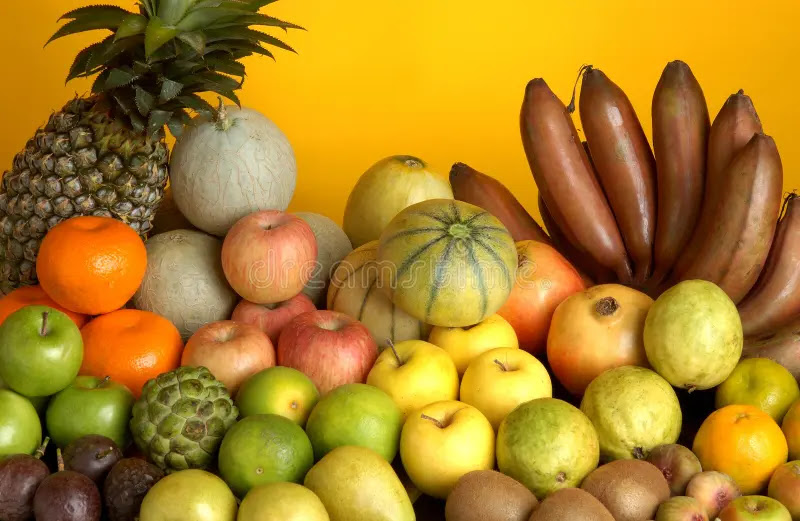
minerals and antioxidants. Include a variety fruits in your daily diet to improve your health and immune system. You can also reduce your risk for chronic diseases. Check out some of the most healthy fruits that you can include in your diet. # 1. **Apples** Apples are a popular fruit around the globe. Apples are high is dietary fibre, particularly pectin. This type of soluble dietary fiber may lower cholesterol, regulate blood sugar and improve digestion. Apples contain flavonoids and other antioxidants that have anti-inflammatory effects. They may also reduce the risk of developing heart disease. # 2. **Berries** Strawberries are rich in antioxidants and packed with nutrients. Blueberries, for example, are high in manganese, vitamin C and vitamin K. The high anthocyanin content of blueberries may also help to delay cognitive aging. Strawberries contain a lot of manganese, vitamin C, and polyphenols. They are also linked to a better heart due to the high content.  3. **Bananas** Bananas, a fruit that is convenient, nutritious, and rich in vitamin B6, potassium and vitamin C, are important for maintaining normal blood pressure. Bananas contain fiber, which aids in digestion and can help to control blood sugar. Bananas contain resistant starch that acts as a probiotic and feeds the good bacteria in your gut. # 4. **Oranges** Oranges contain a high amount of vitamin C, which is essential for skin health and immune function. It also helps absorb iron from plant foods. Oranges are rich in fiber, in particularly soluble fiber. This may lower cholesterol and improve digestion. Oranges also contain flavonoids which have anti-inflammatory effects and may protect the heart.

                                                 (( # 5. **Avocados** ))

Avocados are technically fruits, but they stand out for their high content of healthy fats. Avocados are high in monounsaturated fatty acids, especially oleic, which is linked to improved heart health and reduced inflammation. Avocados contain potassium, fiber and vitamins C E and K. They are also rich in vitamins is minerals. # 6. **Grapes** Grapes are rich in antioxidants such as resveratrol. This substance has been studied to see if it can reduce the risk of cancer and heart disease. Grapes contain vitamins C and K, as well as phytonutrients with anti-inflammatory and antioxidant qualities. # 7. Citrus Fruits: Lemons, Limes and Grapefruit Citrus fruits such as lemons, limes and grapefruit have a high content of vitamin C, which helps with immune health, skin vitality and wound healing. Grapes contain antioxidants such as flavonoids and Lycopene that may help reduce the risk of chronic illnesses like cancer and heart disease. Citrus fruits are rich in soluble fiber, which helps to lower cholesterol and improve cardiovascular health.

                                                (( # 8. **Pineapple** ))

Pineapple is a delicious tropical fruit, but it is also packed full of nutrients. The pineapple is rich in vitamin C, manganese and bromelain - an enzyme that has anti-inflammatory properties and benefits for digestion. Bromelain may reduce inflammation, aid digestion and help in recovery after sports injuries. #### 9. **Pomegranate** Pomegranates have bright red seeds with a high content of antioxidants. Polyphenols are abundant in these fruits, and have shown to be heart-protective. They may also in reduce the risk of cancer. Pomegranates have anti-inflammatory properties and can improve memory and cognitive functions. # 10. **Kiwi** The kiwi is a small, but nutrient-rich fruit. It's rich in folate, potassium, folate in and vitamin C. The kiwi fruit is a good source of fiber, and it contains an antioxidant called actinidin that helps digestion by breaking down protein. The high amount of vitamin C in kiwi boosts your immune system and the fiber helps with digestion. # 11. **Papaya** The papaya fruit is rich in vitamin A, C, folate and fiber. It contains papain, an enzyme that aids in digestion and is anti-inflammatory. Its high antioxidant content, which includes beta-carotene helps to protect the skin.


visit my another website -->>>   Enjoy Gurugram with High Profile 


Wednesday, August 21, 2024

In English, the fruit is called "fig". It is also

         (( known as anjeer in Hindi and Urdu. )) 

Since ancient times, figs have been prized by many cultures due to their unique texture, taste and health benefits. # An Historical and Cultural Overview The history of figs dates back to ancient civilisations. Ficus carica, which originated in the Mediterranean and Western Asia has been cultivated ever since prehistoric times. Ancient Egyptians, Greeks, and Romans valued figs as a symbol for prosperity and fertility. Figs were one of the first fruits that humans cultivated. Evidence of fig farming dates back to 9,000 BCE, in the Jordan Valley. Many religious texts, such as the Bible and Quran, mention figs with reverence. The fig tree in Christianity is often linked to the story of Adam & Eve. It represents wisdom and illumination. In Islam, the fig is described as a fruit of paradise. This fruit's cultural and historical significance makes it more than a simple culinary delight. Nutritional Information and Health Benefits ### The nutritional value of figs is impressive. They are rich in dietary fibre, in vitamins, and minerals. Fresh figs are rich in vitamins A, B1 & B2, and essential minerals like calcium, iron phosphorus manganese sodium potassium. Fibre content makes figs a great choice for digestive health. They are a natural laxative that helps relieve constipation, and promotes regular bowel movements.

    (( The antioxidants, such as phenolic compounds ))

present in figs, contribute to their ability fight oxidative stresses and reduce the risk for chronic diseases, like heart disease and cancer. Figs contain potassium, which helps to regulate blood pressure. Calcium is also beneficial for bone health. The figs also have a low Glycemic Index, which makes them an ideal snack for people who want to regulate their blood sugar levels. # Uses of Figs in Cooking You can enjoy figs in many different ways. Fresh figs have a deliciously soft texture and are perfect for breakfast, salads and desserts. You can pair them with cheeses, such as blue cheese or gorgonzola, to create an amazing combination of flavors. In Middle Eastern and Mediterranean cuisine, figs can be used to add sweetness to stews and meats. Many households rely on dried figs all year round. You can eat them as a snack or add them to baked goods. They are also great for cooking. During the winter, dried figs become especially popular and are used in many festive dishes and desserts. Dried figs are a great natural sweetener for recipes. They can be used in place of sugar. You can make fig jam, yogurt or compote. These can be used to top pancakes or waffles, spread on toast or served with yogurt. The versatility of figs makes them a popular ingredient for both home and professional cooks. # Global Production and Cultivation of Figs Figs are best grown in areas with a Mediterranean-type climate. Turkey, Egypt Morocco, Iran and Spain are all major producers of figs. These countries are major contributors to the global fig industry, providing both dried and fresh figs for consumers worldwide.

      (( Fig trees are a resilient plant that can ))

thrive in even the most difficult soil conditions. They also require very little water and so they make a good crop for arid areas. Fig trees are capable of living for more than 100 years. They produce fruit twice per year, in the early summer as well as in late summer or in early autumn. # Significance and Symbolism In addition to their culinary and nutritional uses, figs have a symbolic meaning across cultures. The fig tree in ancient Greece was associated with Demeter the goddess of agriculture and was considered to be a symbol for fertility and abundance. The fig tree has a special place in Hinduism. It is associated with enlightenment because it is believed the Buddha achieved enlightenment while under the Bodhi Tree, a type of fig. Figs are celebrated in modern times for their culinary versatility, health benefits, and cultural importance. Fresh or dried, the fig is a tasty and nutritious fruit which has endured through time. The humble fig is a favorite fruit all over the world, from ancient myths to religious texts, modern kitchens to health-conscious diets.


visit my another website -->>>   Enjoy Gurugram with High Profile 


Tuesday, August 20, 2024

The amount of chicken biryani that can

              (( be served for a group of people depends ))

on a number of factors, including people's appetites, the context of the meal, and what else is being served with the biryani.  Portion size considerations Typically, the standard serving size for chicken biryani ranges from 200 to 300 grams per person, depending on whether it is served as a main course or part of a larger meal with multiple dishes. If we consider the average portion to be around 250 grams: For **1 kg of chicken biryani**, you can serve around 4 people. This assumes that each person is taking a 250 gram portion. However, if the biryani is part of a larger spread with other dishes such as appetizers, breads, salads, and desserts, the portion size can be less. In such cases:  **1 kg chicken biryani** can serve 5-6 people, especially if they have smaller portions due to the availability of other foods. # Factors affecting serving size 1. **Appetite**: People with a large appetite may eat more than the average portion size, reducing the number of servings. On the other hand, people with a smaller appetite or who prefer light food may eat less, increasing the number of servings. 2. **Meal context**: If biryani is served at a gathering or party where there are many dishes, people may serve themselves smaller portions to leave room for other foods. Conversely, if it is the main or only dish, the portion size may be larger.

         (( 3. **Cultural and social context** ))

In some cultures, meals are more generous, and portions are larger, especially during festivities. In contrast, in a more informal or everyday setting, portions can be more modest. 4. **Composition of the biryani**: The proportion of chicken and rice and the richness of the biryani (in terms of spices, ghee and other ingredients) can also affect how filling it is and, consequently, how many people it can serve. # Example scenarios 1. **Small family meal**: If you are cooking for a family of four with a moderate appetite and no other major dishes, 1 kg of chicken biryani should be enough to feed everyone a reasonable amount. 2. **Party setting**: At a party where chicken biryani is one of several dishes, 1 kg can comfortably serve 5-6 people, as guests are likely to take smaller portions to try other dishes. 3. **Office Lunch**: For office lunches, where chicken biryani may be the main dish but served with bread, salad and dessert, 1 kg of biryani may be enough for 5-6 people, given the average appetite. # Practical Tips If you are planning a meal and wondering how much biryani to prepare, it is a good idea to consider the context of the meal, the presence of other dishes and the preferences of the people being served. For a typical meal where chicken biryani is the main dish, a budget of 200-250 grams per person is a safe bet. In short, **1 kg of chicken biryani can generally be enough for 4 to 6 people**, depending on the portion size and the context of the meal. Adjust accordingly based on the specific situation and the appetite of your guests to ensure that everyone is satisfied without having too many leftovers.


visit my another website -->>>   Enjoy Gurugram with High Profile